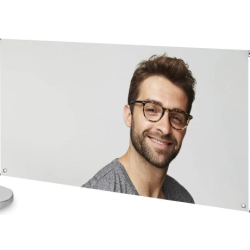
An image wall that is poorly tensioned creates wrinkles visible from 10 metres away, and this is the first criterion that sets a professional stand apart from an amateur one at an exhibition. The quality of the printing on printed fabric and the tension of the display shape perception before visitors even get close. Between a 2.5 m straight pop-up stand and a 3 m curved structure, the choice is not about aesthetics: the straight version takes up less space in aisles, while the curved one creates visual impact from a distance and improves your visibility in a crowded environment. The fabric weight, the thickness of the aluminium frame and the presence of LED backlighting determine the lifespan of the stand and how well it can be reused across several events. For consistent communication across your promotional stands, every element counts.
Choosing a stand type and a modular structure for your exhibition
The choice between a pop-up stand and a modular structure depends first on your event: a one-off installation with simple transport, or frequent reuse across several trade fairs and shows?
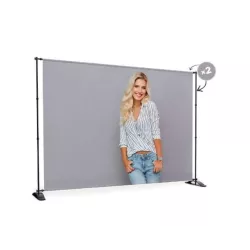
A 2.5 m high pop-up stand suits regional shows, conferences and exhibition spaces where set-up needs to stay quick. The straight version fits more easily into a narrow location or at the back of an aisle. The curved version offers more visual volume and works better when you need to stand out in a dense environment.
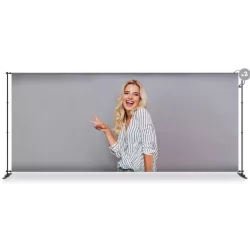
For a wide image wall, the tension of the graphic matters more than anything else. A well-fitted tensioned fabric keeps a smooth surface, with no pockets or visible waves under the hall lighting. On this type of display, digital printing on textile also limits reflections, whereas a laminated PVC can create halos on light areas.
Tubular structures in 3.5 m × 2 m serve a different purpose: large stands, photocalls, demonstration areas or high-traffic conferences. They offer a wider reading of the message and a more continuous façade. This type of display structure allows complete communication and a genuinely competitive exhibition presence.
Printed fabric displays for exhibition stands: why fabric beats PVC
At indoor shows, printed fabric delivers a more stable result under spotlights, LED rails and stage lighting. It absorbs light and reduces direct reflections on white solid areas or photo graphics. For a brand exhibiting premium products or planning photo shoots on its stand, this criterion matters more than print resolution alone.
The way the graphic is attached also changes the real-world use of the display. A fabric cover on a tubular frame makes replacements easier and withstands repeated set-ups better than a graphic that has been badly rolled or pinched. If you change campaigns several times a year, it is better to choose a structure designed for renewing your brand image and your graphics.
Promotional counters and point-of-sale displays for exhibition stands: organising your communication
A promotional counter is first and foremost there to organise your reception area and structure the stand space, not just to dress the façade. For a short operation, a folding model reduces handling and speeds up installation. For a multi-day show with documentation, samples or IT equipment, a more rigid counter provides better stability and strengthens your point-of-sale display on the floor.
LED backlighting is mainly justified in two cases: a dark environment, or the need to create a clear focal point at the front of the stand. In a very bright hall, the visual difference is often smaller than you might expect. In that case, look first at the legibility of the message, the size of the graphic and the height of the counter to maximise impact.
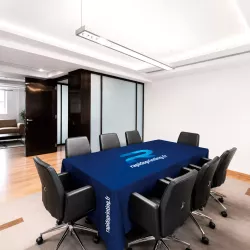
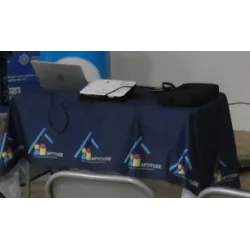
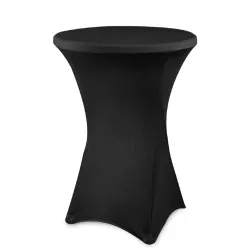
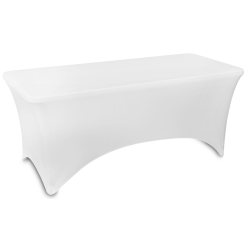
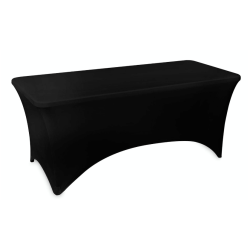
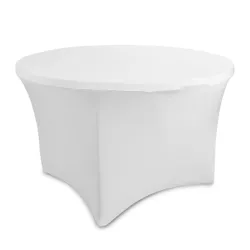
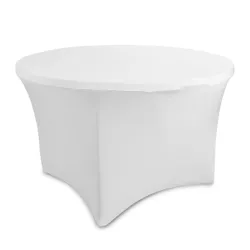
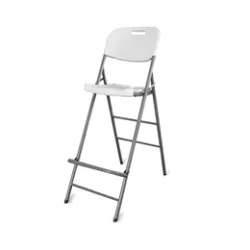
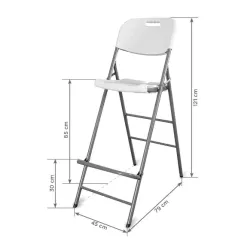
Complementary finishes such as printed tablecloths, poseur tables and façade cladding help unify the space without multiplying structures. This is useful when you are working with a small surface and each element must keep a clear function. Too many accessories scatter the reading instead of strengthening the presence of your exhibition stand.
Light towers, promotional signs and signage for stands: increasing your visibility
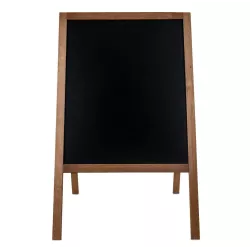
A large-format suspended promotional sign becomes relevant when your stand needs to be spotted from 15 or 20 metres away in a busy aisle. It is a choice about orientation within the space, not a simple decorative extra. On a small pitch at the edge of an aisle, the investment is often a lower priority than a well-sized stand backdrop.
The double-sided light tower follows a different logic: it captures side traffic and works well at the entrance to a stand, a corner or a reception area. Formats ranging from 85 × 200 cm to 300 × 240 cm cover both a signage need and a strong visual statement. With repeated use, the rigidity of the frame and how easily the fabric can be changed matter more than the lighting effect alone.
Light boxes and backlit fabric walls suit high-end indoor exhibitions, product launches and photo areas. The result is more even than with a front-lit banner. If your graphic relies on large dark areas or high-contrast images, backlighting deserves to be planned from the graphic design stage for an optimal exhibition result.
Accessories and custom solutions for exhibition stands: assembly and transport
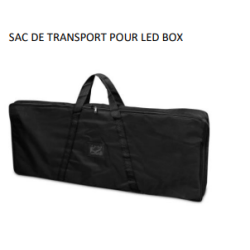
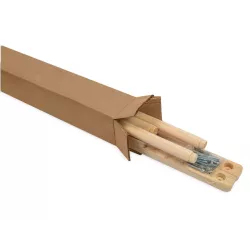
A reusable trade show stand is also judged by how it is packed. Reinforced bags suit lightweight structures and frequent trips in a small vehicle. For LED light boxes or more delicate elements, a flight case remains preferable if the equipment goes through transport, storage and reassembly at your events.
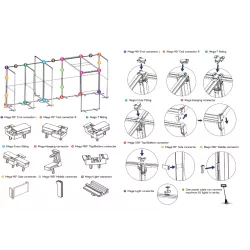
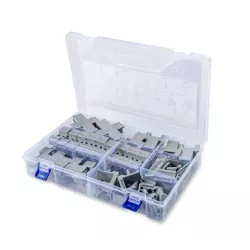
Modular connectors, tensioners and assembly parts have a direct impact on the lifespan of the equipment. Imprecise assembly wears the joints, marks the graphics and wastes time on site. If you plan to deploy with a small team, ease of assembly should come before multiplying modules, for better efficiency.
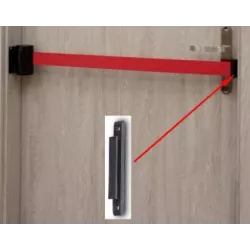
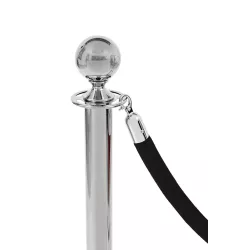
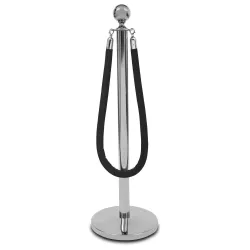
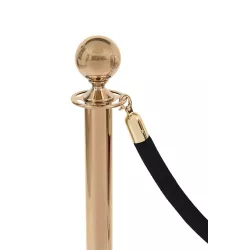
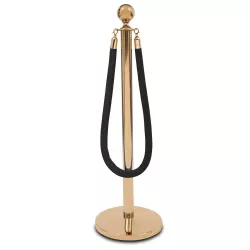
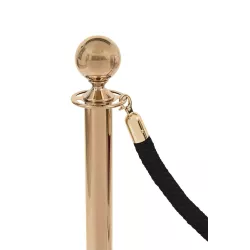
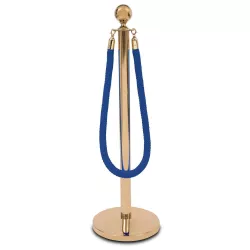
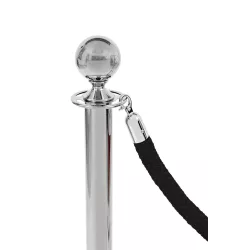
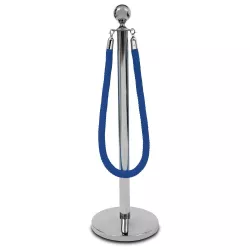
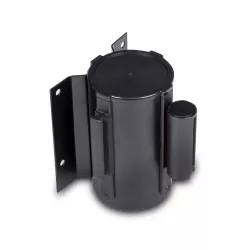
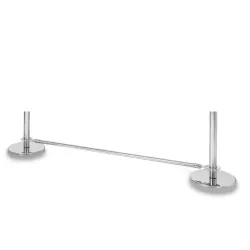
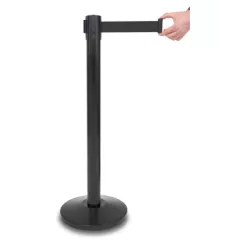
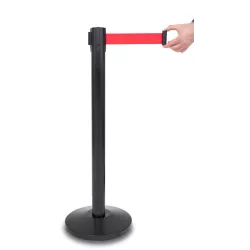
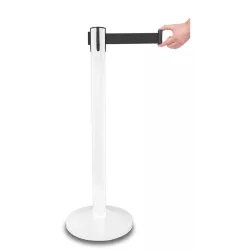
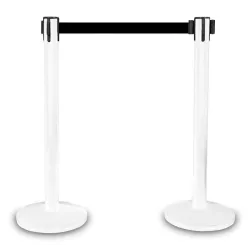
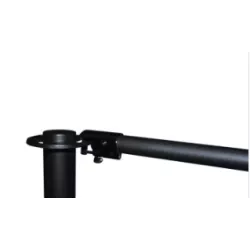
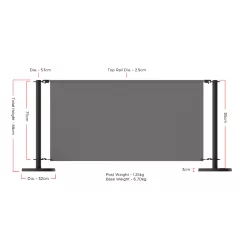
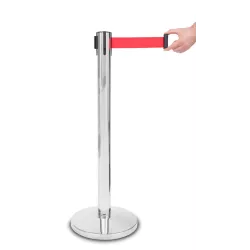
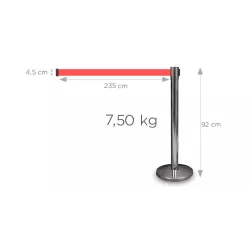
Retractable belt barriers, posts and cords are used to channel the public during demonstrations, reception or queuing. This is not a logistical detail: on a busy stand, circulation quickly becomes a matter of comfort and legibility. Outdoors or in semi-covered areas, you also need to check how the peripheral elements and mobile displays hold up in the wind.
Trade show stands, conferences, pop-up stores: solutions suited to each type of event
- Regional trade show stand over 1 to 2 days: 2.5 m straight pop-up stand, compact image wall, folding counter. Set-up remains quick and transport is easy for two people, for a practical and efficient solution.
- Large national conference or trade fair: 3.5 m × 2 m tubular structure, double-sided graphics, stable counter, tall or suspended signage. The goal is to be legible from a distance in a saturated environment and to improve your visual presence.
- Temporary point of sale or pop-up store: curved pop-up stand, service counter, guiding elements to channel circulation and create a coherent visitor experience. The priority is frequent set-up and dismantling without degrading the graphics between each event or use.
- Photocall or premium presentation area: tensioned fabric image wall, large-format photo printing, double-sided LED light box. Fabric remains better suited to photography than a glossy display and strengthens brand image at the exhibition.
- Permanent indoor exhibition: modular stands and backlit structures for a lasting solution. Here you need to think in terms of maintenance, partial replacement and consistency with the architecture of the venue, for proven durability.
Promotional stands: fabric manufacturing, production times and fast delivery
A production time of 10 working days is common for a large-format promotional stand with textile printing and a standard structure. For a project with LED backlighting, non-standard formats or multiple accessories, more lead time is needed. The starting point is always the same: approved files, confirmed dimensions and a known mode of transport, to guarantee smooth production and on-time delivery.
Contact us